Guide
How to care for a cut coin necklace
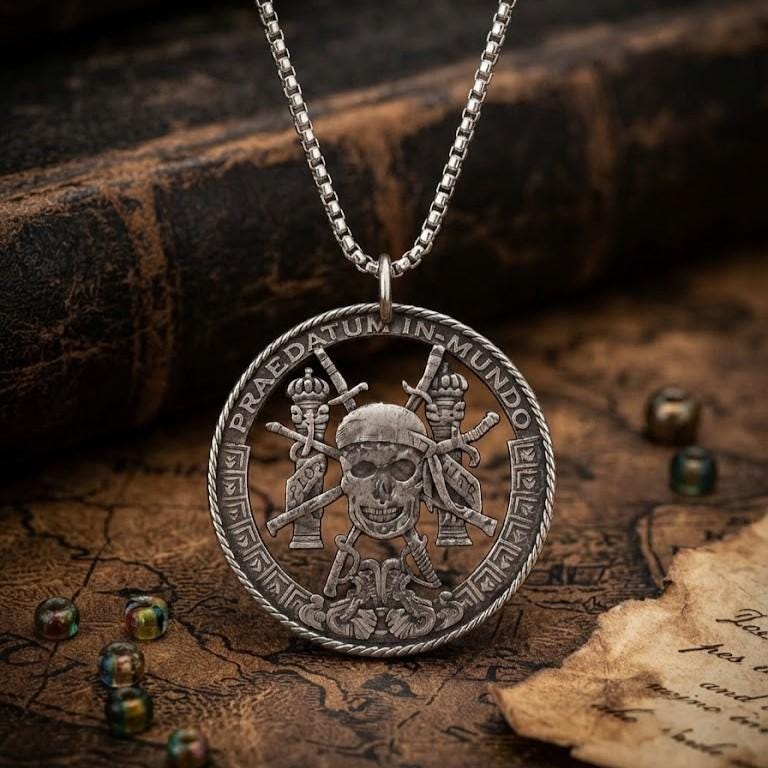
A hand-cut coin is a real coin with parts of the design cut away by hand. That open, detailed shape is what makes it worth wearing, and it is also what needs a little care. The advice below is general jewelry and coin care. It is written to protect fine cut detail, and it applies to necklaces, earrings, keychains, and pocket coins alike.
One rule first: be gentle. Almost every problem with coin jewelry comes from too much polishing, not too little.
Know what you are wearing
Coins are made from different metals, and they age differently.
- Nickels (including Buffalo nickels) are a copper-nickel alloy. They hold up well and darken slowly.
- Modern U.S. quarters and half dollars are clad: copper-nickel outer layers over a copper core. On a cut coin the edges show that copper core, so the cut edges can tone to a warm or darker color over time. That is normal.
- Older U.S. silver coins tarnish toward grey or black when exposed to air and skin.
The listing title names the coin, and often its year. If you are not sure what a piece is made of, or what came with it, read the listing or write the workshop at shop@commancoins.com.
Everyday wear
Take it off for water and chemicals
Remove the piece before swimming, bathing, showering, using a hot tub, or cleaning with household chemicals. Chlorine and harsh cleaners are hard on most metals and chains.
Put it on last
Perfume, hairspray, lotion, and sunscreen leave a film that dulls metal. Put your necklace or earrings on after you have finished getting ready.
Watch the fine points
Cut details can catch on knit sweaters, loose fabric, and hair. Take the piece off for sports, heavy work, and sleep, and avoid pulling on a pendant if it snags.
Keychains will wear
A coin that rides with keys will rub against metal every day. Expect its high points to brighten and its recesses to darken. Many people like that worn-in look. If you do not, keep the coin on its own ring, apart from heavy keys.
How to clean a cut coin necklace
Routine: a soft, dry cloth
After wearing, wipe the coin and chain with a soft, dry cloth, such as microfiber or a cotton cloth. This removes skin oils before they build up and is all most pieces need.
When it looks dull: mild soap and water
- Fill a small bowl with lukewarm water and add one drop of mild dish soap.
- Let the piece sit for a few minutes.
- Clean gently with your fingertips or a very soft brush, working with the cut shape, not across it.
- Rinse in clean water.
- Dry completely with a soft cloth, including the cut openings and the chain links. Let it air-dry fully before you store it.
What to avoid
- Abrasives: toothpaste, baking-soda scrubs, scouring pads, and rough cloths leave fine scratches and can soften cut detail.
- Chemical dips and harsh cleaners: these remove a little metal along with tarnish and can strip the darker tones that make a design stand out.
- Bleach and chlorine.
- Ultrasonic cleaners and steam, unless a jeweler has looked at the piece first.
- Forcing anything. Do not bend a cut figure, a jump ring, or a chain to clean it.
If you want to remove heavy tarnish from a silver coin, use a jeweler's polishing cloth lightly, or ask a local jeweler. A little toning in the recesses is part of how a cut coin shows depth, so many owners leave it.
Earrings, keychains, and moving coins
- Earrings: wipe the coins and the ear wires or posts with a soft cloth after wearing. Store pairs together so they do not get separated or scratched.
- Keychains: clean the coin the same way as a necklace, then dry the ring and any links well.
- Mechanical moving coins: keep them dry, clean around moving parts with a soft dry brush, and move them gently by hand. Do not soak them or force a part that sticks; write the workshop instead.
How to store coin jewelry
- Keep each piece separate. Coins scratch each other, and fine cut points can snag on other jewelry. The case protector included with your piece, a soft pouch, or a lined box all work.
- Keep it dry. Store pieces somewhere with low humidity, not in a steamy bathroom. A small anti-tarnish strip or bag can help slow toning on silver.
- Fasten the chain. Close the clasp and lay the chain flat, or hang it, so it does not tangle or kink.
- Out of the sun and away from heat when you are not wearing it.
When something goes wrong
If a chain breaks, a jump ring opens, or a piece arrives damaged, stop wearing it and write the workshop at shop@commancoins.com or through the contact form. Return and exchange windows are on the shipping and returns page.
Quick answers
Can I wear a cut coin necklace in the shower?
It is best not to. Water, soap, shampoo, and hot water speed up tarnish and are hard on chains. Take it off first.
How do I clean a tarnished coin necklace?
Start with a soft dry cloth, then mild soap and lukewarm water, and dry it completely. Skip abrasives and chemical dips; they can wear away cut detail.
Why are the edges of my cut quarter a different color?
Modern U.S. quarters are clad over a copper core. Cutting exposes it at the edges, and copper tones over time. That is normal.
Will the color of my coin change?
Most coin metals tone slowly with air, skin, and handling. Regular wiping slows it, and many people prefer the aged look.
Shop cut coin necklaces, earrings, and keychains, or read how each coin is cut.
Related guides: What is a hobo nickel? · Gift ideas for hand-cut coin jewelry